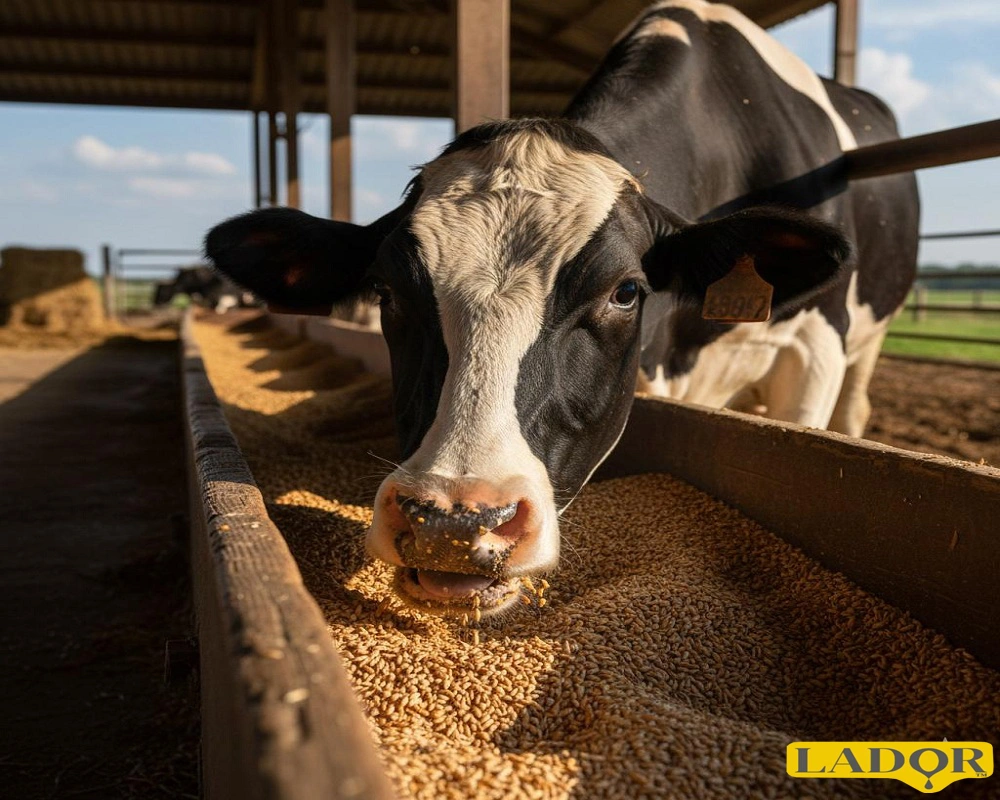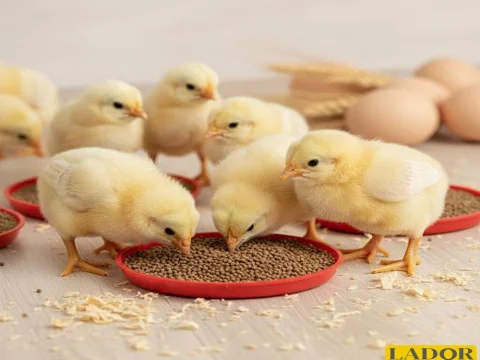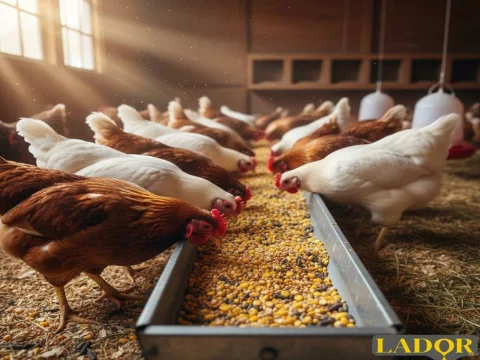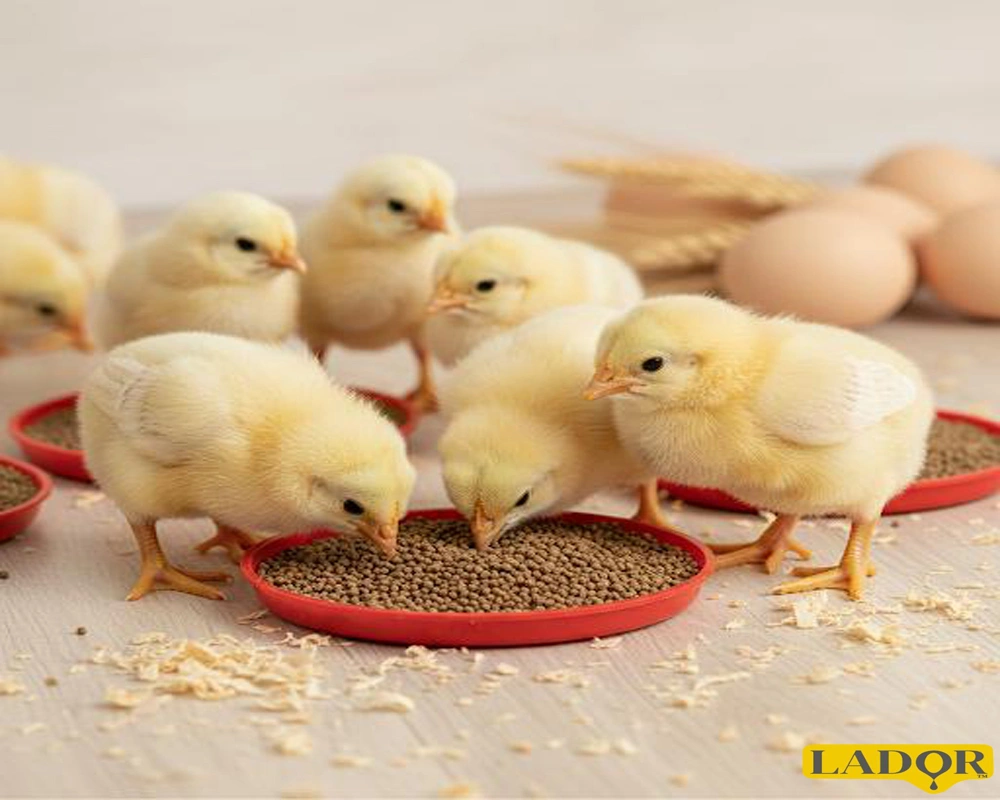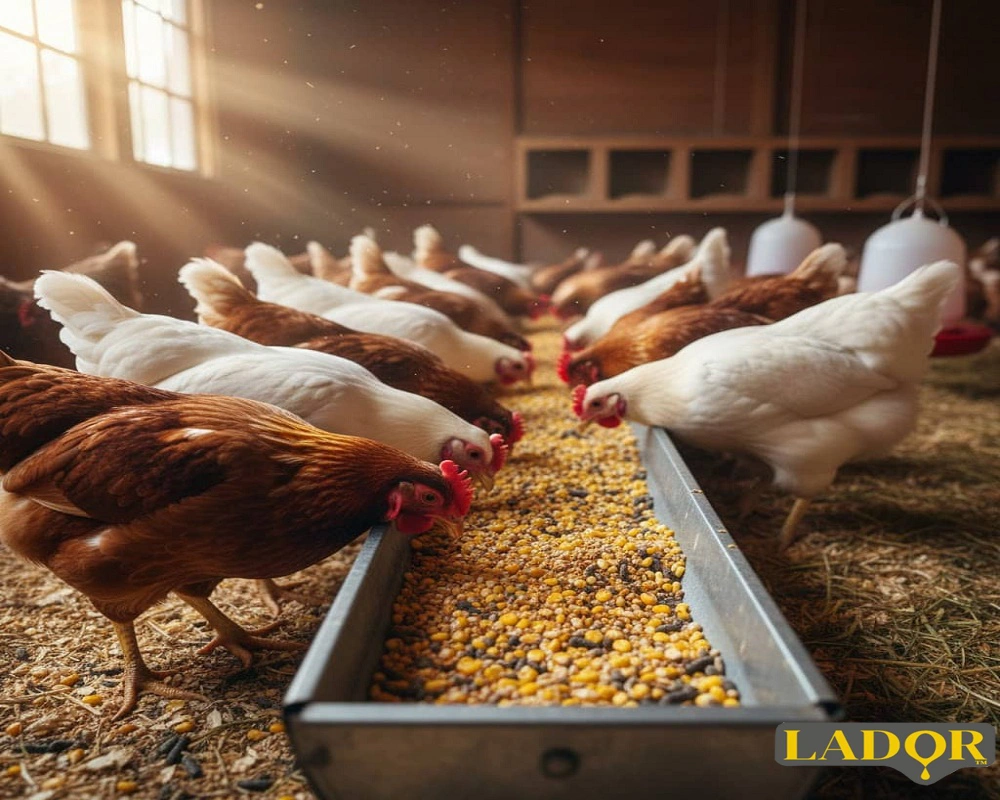
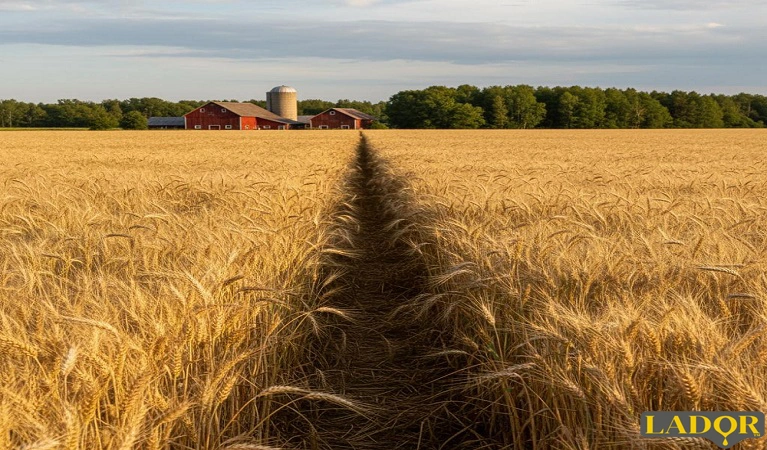
Feed’s wheat is one of the most important grains used in livestock farming. When we talk about feed wheat, we mean wheat grain that has been prepared or classified for animal consumption. sometimes with storage conditions or processes that make it more suitable for livestock. Thanks to its high energy content, easy availability, and generally reasonable price, feed wheat is widely used in rations for cattle, sheep, pigs, and poultry.
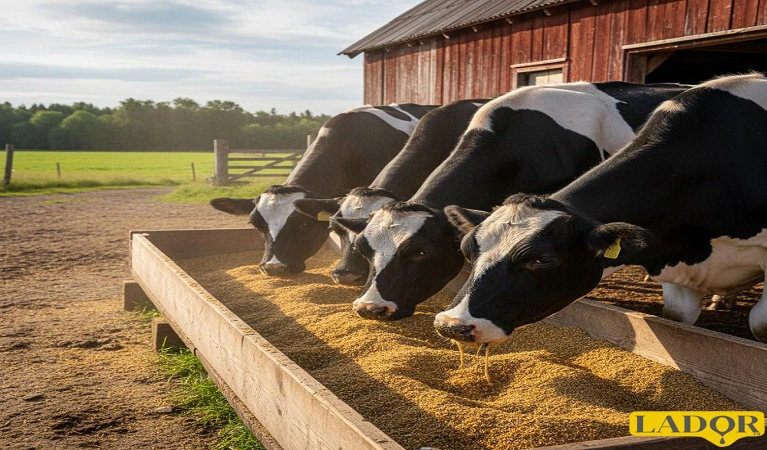
Livestock wheat has many benefits for livestock, some of which are:
Wheat is high in starch and digestible energy and is used as a calorie source in rations for milk and meat production. (The net energy value of wheat is higher than that of many fibrous fillers.)
In the diets of cattle, sheep, turkeys, broilers, and breeder poultry, it can partially or relatively replace other grains.
When wheat is cracked or steam-processed, its starch becomes more digestible for birds and ruminants.
In regions with high local wheat production, its favorable price and availability make it an economical option.
It can be readily incorporated into commercial feed formulas along with meals, bran, soybean products, and additives.
Wheat (whole grain): High energy (starch), moderate protein, low fat, and lower fiber compared to bran. For animals requiring rapid, high energy—such as broilers—feed wheat is valuable.
Wheat bran: A milling by-product consisting of the outer layers of the grain; rich in fiber, moderate in protein, and containing micronutrients (B-vitamins, minerals). Bran is useful for improving gut function, supplying fiber, and reducing feed costs in certain rations. According to feed composition tables, wheat bran typically contains about 15–18% crude protein (on a DM basis) and relatively high crude fiber.
Feed analysis testing: Before adding wheat or bran to a formula, a chemical analysis (moisture, crude protein, ash, crude fat, fiber, net energy) should be performed to ensure accurate ratios.
Processing for better digestibility: Cracking or steam-processing wheat can increase starch digestibility; for poultry, cracked or finely ground forms are recommended.
Inclusion limits in the diet: In some species, the amount of wheat in the ration should not exceed certain limits to avoid digestive problems or reduced feed intake—therefore, formulation should be done with the help of a nutrition specialist.
Quality control and storage: Preventing mold growth and mycotoxins is critical; storing feed in a dry, ventilated place and using protective additives when necessary is recommended.
Companies and brands active in the livestock feed supply chain play an important role in providing high-quality raw materials. Ala oil Sepahan Company, operating under the trade name Lador, produces various oils, fat powders, and other raw materials for livestock and poultry feed. Its product range includes forage corn, feed wheat bran, soybean meal, and hydrogenated soybean within its production cycle.
Feed wheat is a high-energy source and a valuable ingredient in livestock and poultry diets, provided it is dry, clean, and in a suitable form (cracked or processed). It is always recommended to consult a livestock nutrition expert before making major changes to feed formulas, to properly balance energy, protein, fiber, and mineral content. For consultation and price inquiries, you can contact Ladorfat advisors.