Aquatic feed is one of the most important factors in the success of aquaculture. Feed selection and proper formulation affect aquaculture farms’ growth, health, and economic efficiency. This article will provide a comprehensive review of aquaculture feed, including its components, production methods, and benefits.
Ingredients of Aquatic Feed
Aquaculture feed is a combination of various nutrients designed to meet the energy, protein, fat, vitamin, and mineral requirements of aquatic animals. The main components of aquaculture feed include:
- Proteins: The primary source of energy and building blocks for the aquatic animal’s body. Protein sources include fishmeal, soybean meal, sunflower meal, wheat flour, and other plant and animal-based sources.
- Carbohydrates: An important energy source for aquatic animals. Carbohydrate sources include corn, wheat, rice, and other grains.
- Fats: A concentrated energy source and carrier of fat-soluble vitamins. Fat sources include fish oil, soybean oil, and other vegetable oils.
- Vitamins and Minerals: Essential for the growth, health, and proper immune system function of aquatic animals.
- Additives: Added to the feed to improve feed quality, increase growth, and enhance disease resistance in aquatic animals. These additives include enzymes, probiotics, organic acids, and antioxidants.
Aquatic Feed Production Process
The production of aquaculture feed involves the following steps:
- Formulation: Precisely determining the proportions of raw materials to meet the nutritional needs of aquatic animals.
- Mixing: Thoroughly and evenly combining the raw materials.
- Pelleting: Converting the mixture into pellets of the appropriate size and shape.
- Drying: Reducing the moisture content of the pellets to prevent the growth of microorganisms.
- Packaging: Packaging the pellets in suitable bags for storage and transportation.
Methods of Pellet Production
- Extrusion Method: In this method, the raw material mixture is subjected to high pressure and temperature and is extruded as pellets. Pellets produced by this method have high quality and good digestibility.
- Cold Pelleting Method: In this method, the raw material mixture is moistened with steam and formed into pellets under pressure. This method is suitable for producing small-sized pellets.
Types of Aquatic Feed
Aquaculture feed is generally divided into three main categories:
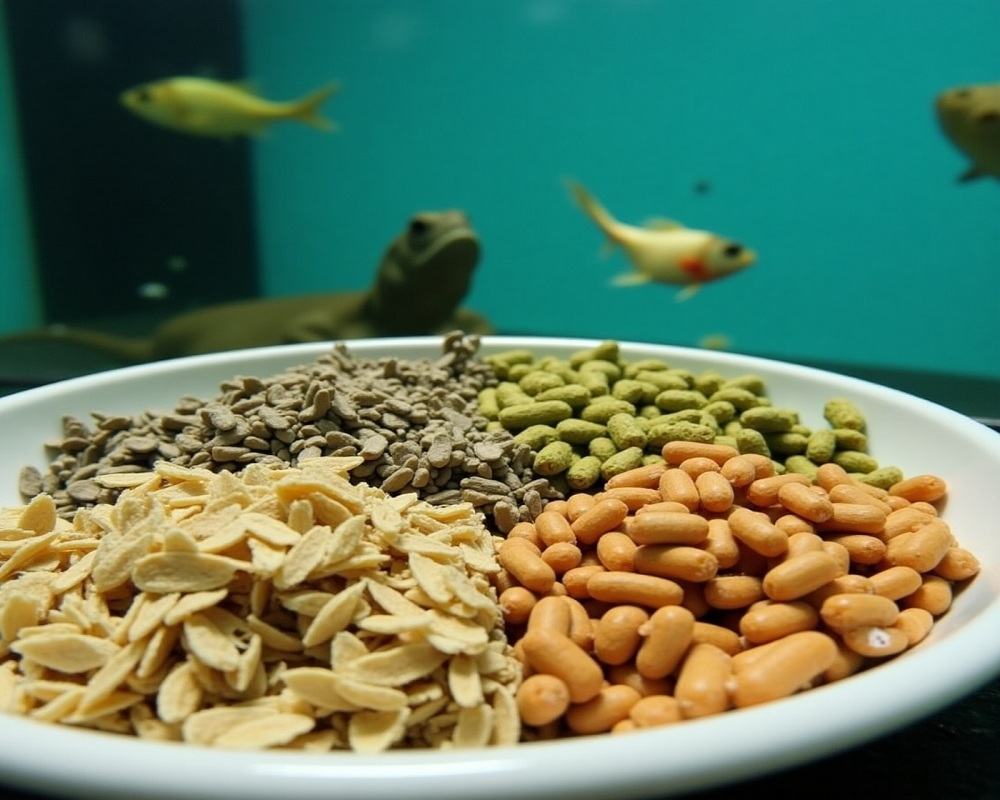
This type of feed is produced in the form of pellets or flakes and is usually composed of raw materials such as fishmeal, soybean meal, grains, and vitamin and mineral supplements. Dry feed is the most widely used type due to its long shelf life and ease of storage.
This type of feed has a higher moisture content than dry feed and is usually produced in the form of paste or gel. Moist feed is preferred by many aquatic animals due to its better taste and smell.
Live feed includes living organisms such as bloodworms, artemia, daphnia, etc., which are used as a dietary supplement for aquatic animals. The live feed has high nutritional value and is very beneficial for the growth and development of aquatic animals.
Feeding Ornamental Fish
Feeding ornamental fish depends on various factors such as the type of fish, age, size, and activity of the fish. In general, ornamental fish need a variety of foods to meet all their nutritional needs. Some important points in feeding ornamental fish include:
- Dietary Variety: Try to use different types of food to feed your fish to meet their nutritional needs fully.
- Food Quantity: Feed your fish in moderation and avoid overfeeding.
- Feeding Time: It is best to feed your fish at specific times of the day so they can get used to a routine.
- Consider the Fish Species: Each species of fish has its specific nutritional needs. Before buying food for your fish, pay attention to the type of fish and its nutritional needs.
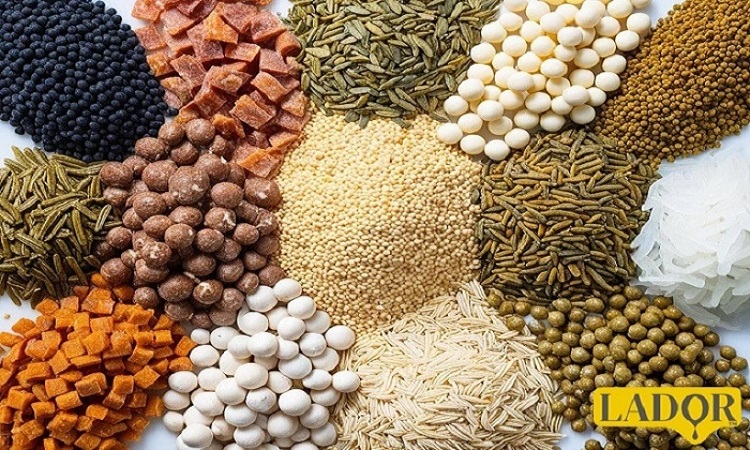
Shrimp Nutrition
Shrimp nutrition, like that of other aquatic species, is of paramount importance. Shrimp require high levels of protein; therefore, their feed must contain an adequate protein content. In addition to protein, shrimp need essential vitamins, minerals, and fats. Specialized shrimp feeds are used for their nutrition, containing all the essential nutrients they require.
Impacts of Aquatic Feed
Aquatic feed is so vital that it influences all aspects of aquatic life. Some of these impacts include:
Impact on Coloration
- Aquatic feed significantly affects coloration. Certain pigments in the food can change the color of the skin and fins. For example, using feed containing astaxanthin can enhance the red color in salmon. Additionally, certain vitamins, such as Vitamin C, can play a role in improving coloration.
Impact on Growth
- Growth Rate: A high-quality, balanced diet containing sufficient protein and other essential nutrients increases the growth rate.
- Body Size: Proper nutrition increases body size and improves the Feed Conversion Ratio (FCR).
- Meat Quality: A balanced diet improves the quality of the meat in terms of taste, color, and texture.
Impact on Reproduction
- Sperm and Egg Production: Proper nutrition increases the production of sperm and eggs in broodstock.
- Egg Fertility: A diet containing essential nutrients increases egg fertility and improves larval quality.
- Larval Survival: Proper nutrition for larvae increases their survival rate and growth.
Factors Influencing Growth and Reproduction
Species Type: Every species has its own specific nutritional requirements.
Age: Nutritional needs vary across different life stages.
Environmental Conditions: Temperature, water quality, and other environmental factors affect nutritional requirements.
Benefits of Using Formulated Feed
- Faster and better growth of aquatic animals
- Reduced feed conversion ratio
- Improved meat quality
- Reduced mortality
- Reduced environmental pollution
- Increased efficiency in aquaculture
Diseases Caused by Improper Nutrition
Improper nutrition can cause various diseases in aquatic animals. Some of these diseases include:
- Nutritional Deficiencies: Lack of essential nutrients can cause various ailments. For instance, Vitamin C deficiency leads to scurvy in fish.
- Obesity and Fatty Liver: Overfeeding and using high-fat feeds can cause obesity and fatty liver disease.
- Digestive Disorders: Poor nutrition can cause issues such as constipation, diarrhea, and intestinal inflammation.
- Weakened Immune System: Improper nutrition weakens the immune system, making them susceptible to infectious diseases.
Symptoms of Nutritional Diseases
-
- Decreased appetite
- Reduced growth
- Changes in skin and fin color
- Abdominal swelling
- Lethargy and reduced activity
- Increased mortality
Prevention and Treatment of Diseases Caused by Improper Nutrition
- Balanced and Complete Nutrition: Using high-quality feed that meets the nutritional needs of aquatic animals.
- Controlling Food Quantity: Preventing overfeeding and excessive feeding.
- Monitoring Water Quality: Maintaining good water quality to prevent diseases.
- Consulting with Experts: Consult with aquaculture experts if you observe any signs of disease in aquatic animals.
Important Points Regarding Aquatic Feed
- Determining Nutritional Requirements: Before selecting a feed, the specific nutritional needs of the farmed aquatic species must be accurately identified.
- Quality of Raw Materials: The use of high-quality raw materials has a direct impact on the quality of the feed and the growth of the aquatic animals.
- Production Oversight: All stages of feed production must be under strict supervision to ensure the final quality of the product.
Ala Oil Sepahan Company
Ala oil Sepahan Company, with the Lador brand, is equipped with advanced machines and has many years of experience and experienced experts in the field of producing all kinds of powders and oils and raw materials for the production of animal and poultry feed.
Among the products of Ladorfat are: raw materials for the production of horse feed, laying hen feed, quail feed, Feed barley، Rice bran in animal feed and…
Conclusion
Proper nutrition plays a very important role in the health, growth, and reproduction of aquatic animals. A balanced and complete diet increases productivity in aquaculture and reduces production costs. On the other hand, improper nutrition can cause diseases and reduce the performance of aquatic animals. Therefore, paying attention to the nutrition of aquatic animals and using high-quality feed is one of the most important factors in the success of aquaculture.To inquire about the price and advice, please contact Ladorfat experts