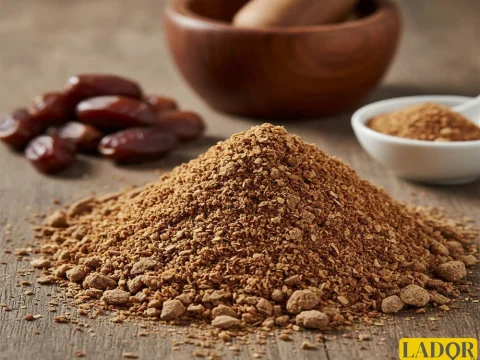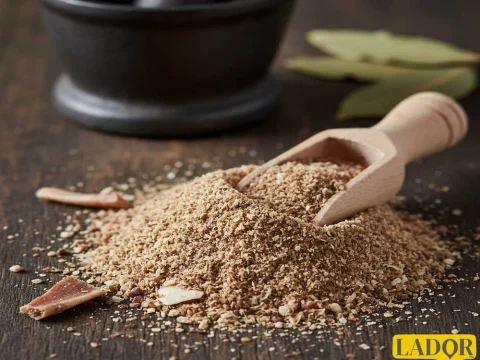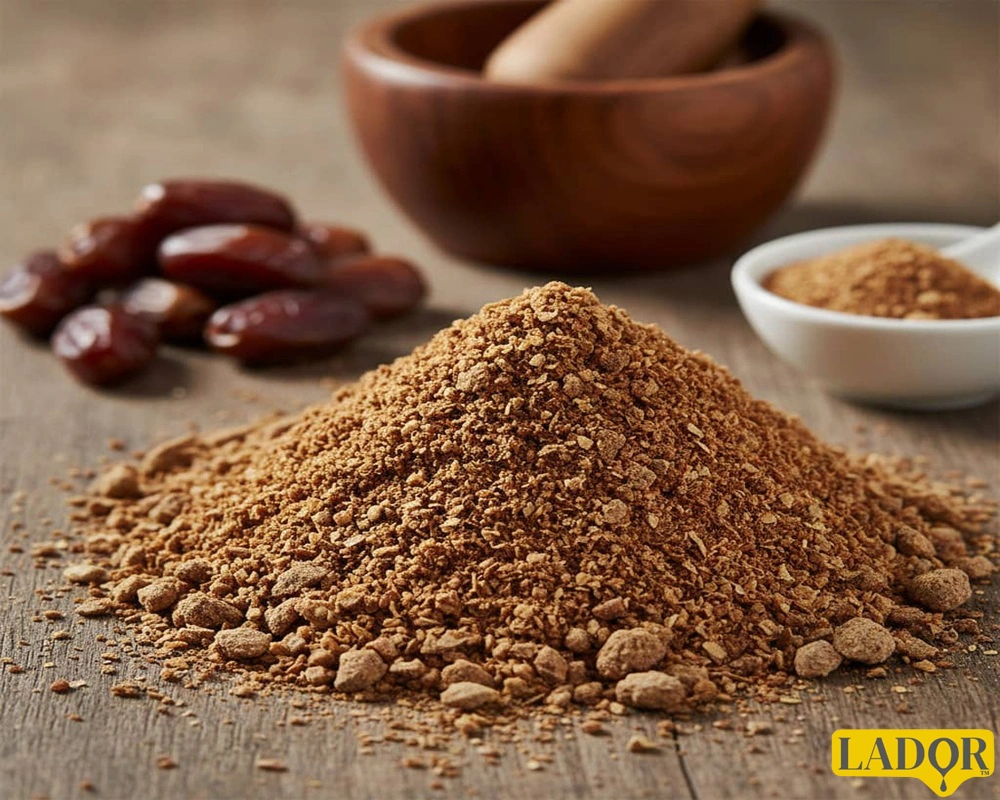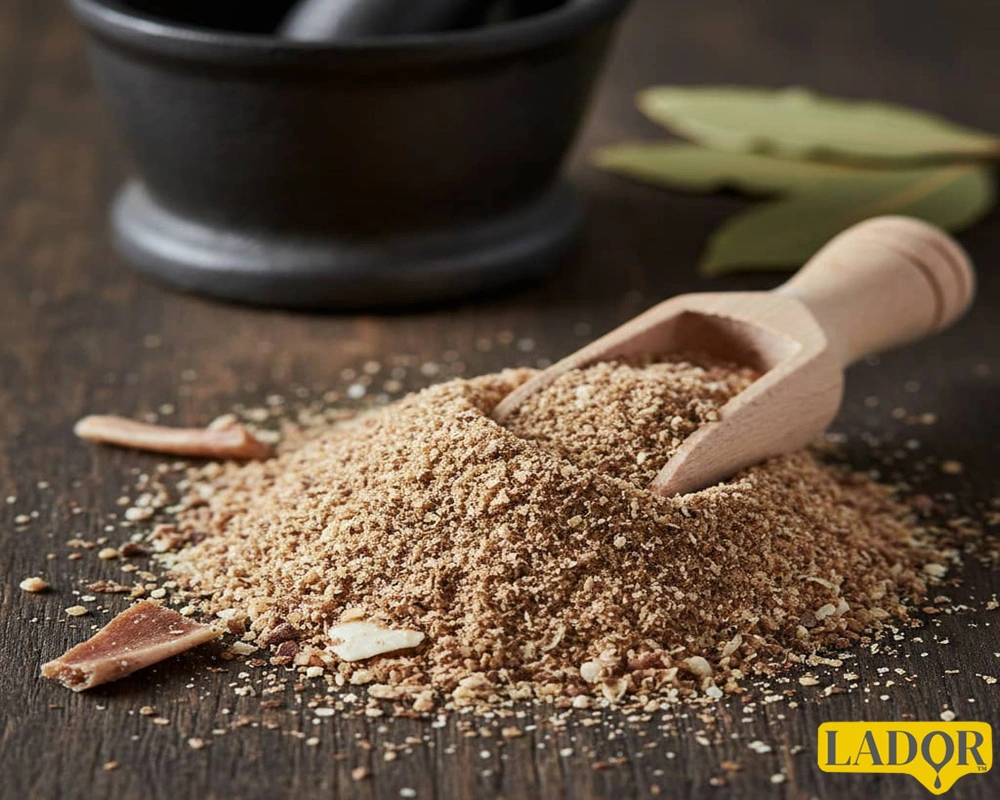
Olive flour, also known in Persian as Tofaleh Zeytun or Pumis Zeytun, refers to the solid and semi-solid material that remains after the initial extraction of olive oil from the olive fruit. Join us at Ladorfat to learn more about olive pomace.
Olive Flour (after final oil extraction), due to its unique composition, has widespread applications in various industries:
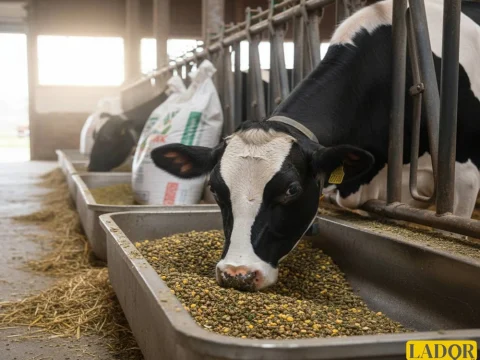
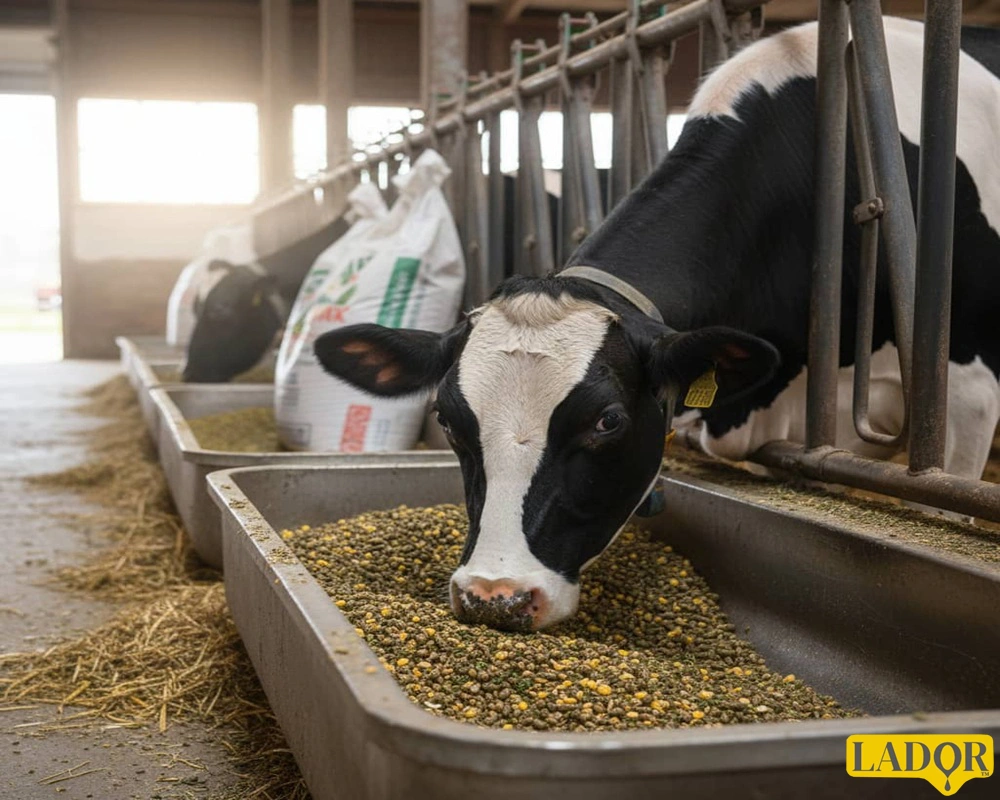
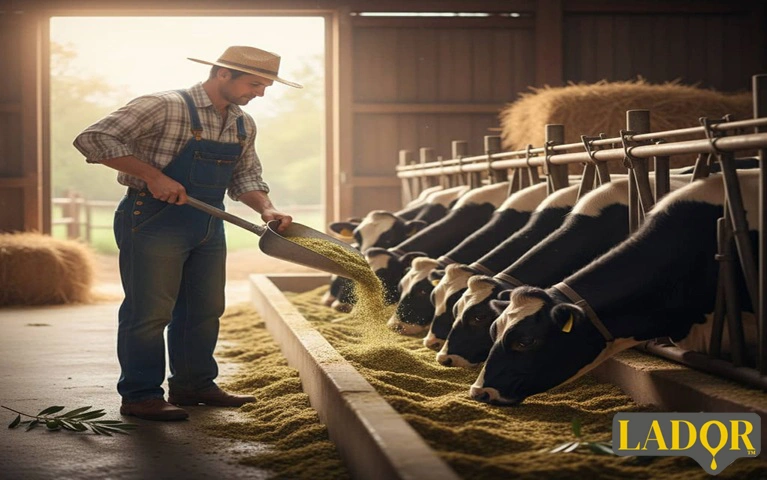
Olive pomace is a good source of energy and fiber for ruminants (cattle, sheep).
The high content of polyphenols in it can help improve the gut health of the animals.
Note: The pomace must be added to the feed ration only after processing and moisture adjustment.
Ruminants (Cattle, Sheep, Goats)
Ruminants have a greater ability to digest high fiber (such as the olive pit) due to their rumen and specific microorganisms. Olive pomace can supply a portion of the roughage in their diet.
Consumption Rate: Typically, up to 15% to 25% of the animals’ roughage diet can be replaced with dried, processed olive pomace without negatively impacting milk production or growth.
Monogastrics (Poultry, Pigs)
The digestive system of these animals is not suitable for high fiber digestion.
Poultry (Chickens): The use of olive pomace in poultry feed must be highly limited due to the very high fiber content and potentially bitter substances. Usually, only small, controlled amounts (below 5%) are added to the ration, and only after pit removal and purification. Pomace is mostly used in the diet of breeder or laying birds (who have a higher fiber requirement).
The olive pit fraction, once dried, is used as a highly efficient solid biofuel due to its high calorific value and oil content. This fuel is used directly or in pellet form in industrial boilers, furnaces, and domestic heating systems.
Olive pomace is rich in organic matter and minerals.
Through the composting process, it can be converted into a high-quality organic fertilizer that improves soil structure and fertility.
The fibrous structure of the pomace allows it to be used as a natural and inexpensive adsorbent to remove organic pollutants and heavy metals from industrial wastewater and water.
The pharmaceutical and food industries use pomace as a source for extracting polyphenols (such as hydroxytyrosol), which are powerful antioxidants.
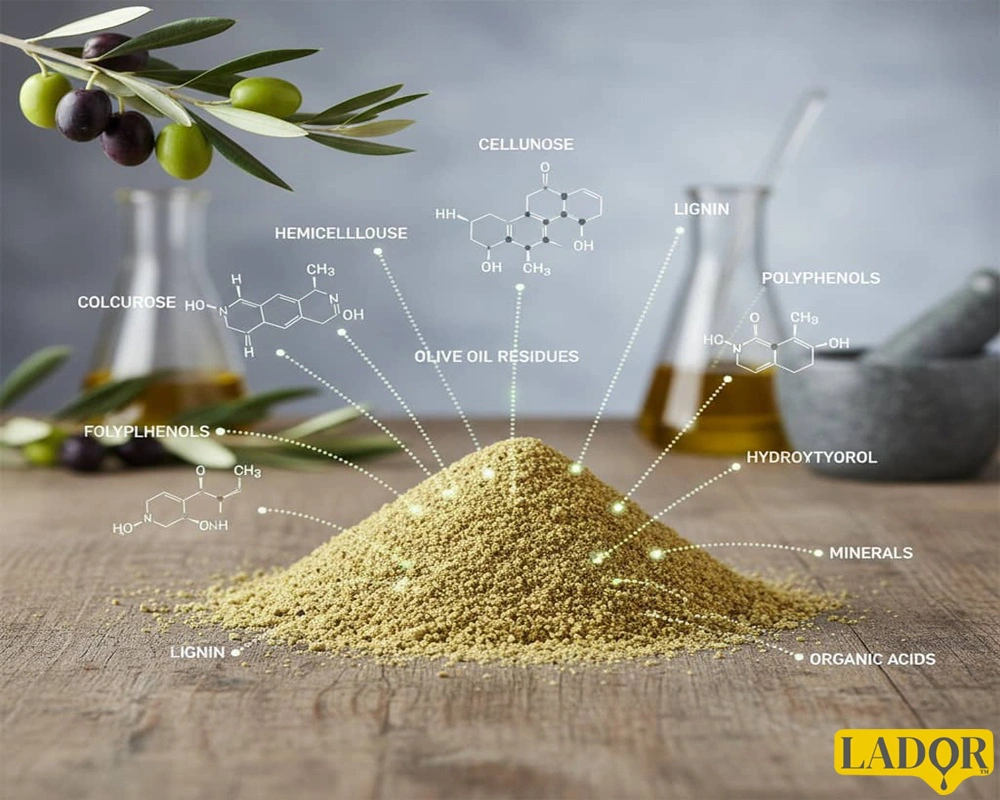
The chemical composition of olive pomace is highly dependent on the initial extraction method, the type of olive, and its moisture content, but generally includes the following components:
Olive pomace still contains some residual oil, which usually constitutes between 2% to 9% of its dry weight. This fraction is the source for the extraction of pomace oil.
Fresh (wet) olive pomace has a high moisture content, which can reach 40% to 60%. This must be reduced for storage or processing.
A major portion of the pomace consists of fibrous material, ranging between 20% and 40%. This fiber includes the stony olive pits, which serve as an energy source in livestock feed rations.
The crude protein content of pomace is typically between 5% and 10%, serving as a source of nitrogen for animal feed or fertilizer.
Minerals, including potassium, calcium, and magnesium, are present in the ash content of the pomace, making up about 3% to 6%.
Olive Flour still contains significant amounts of powerful antioxidants called polyphenols, which have health benefits and industrial applications.
Raw olive pomace (wet pomace) is not directly usable and must be processed. The primary goal of this process is to extract the residual oil:
First, the wet pomace is dried in rotary dryers to reduce its moisture content to approximately 8%–10%. This prevents mold growth and prepares the material for solvent extraction.
In some factories, the stony olive pits (due to their high fuel value) are separated from the pulp.
The residual oil in the pomace (known as Crude Pomace Oil) is typically extracted using a chemical solvent, such as hexane. After extraction, the solvent is separated from the oil.
Due to the use of solvents and its lower quality compared to virgin oil, crude pomace oil must undergo intensive refining processes (neutralization, decolorization, and deodorization) to be converted into the final product, known as Refined Olive Pomace Oil.
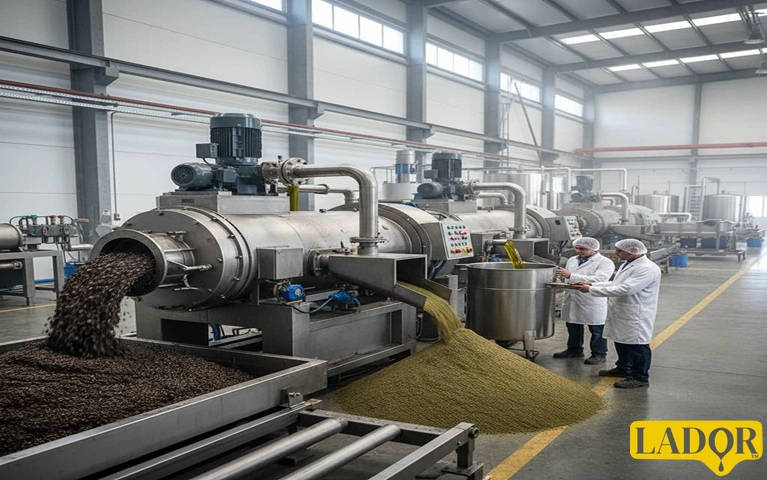
The Ala oil Sepahan Factory, operating under the commercial name Lador and managed by Mr. Saeid Alaei, is a pioneer in the production of various powders (pours) and industrial, livestock, and poultry oils. Among Ladorfat’s products are date pit meal, livestock wheat, Iranian fat powder, fish oil for livestock and poultry feed, raw materials for producing fattening and dairy animal feed, ready-made animal feed, and more.
Olive Flour, far beyond a simple residue, is a versatile raw material that plays a vital role in completing the economic and environmental cycle of the olive industry. From animal feed and energy production to a source of bioactive compounds, olive pomace is a clear example of the latent value in agricultural by-products. Please contact Ladorfat experts for price inquiries and consultation. Thank you for reading this article to the end.