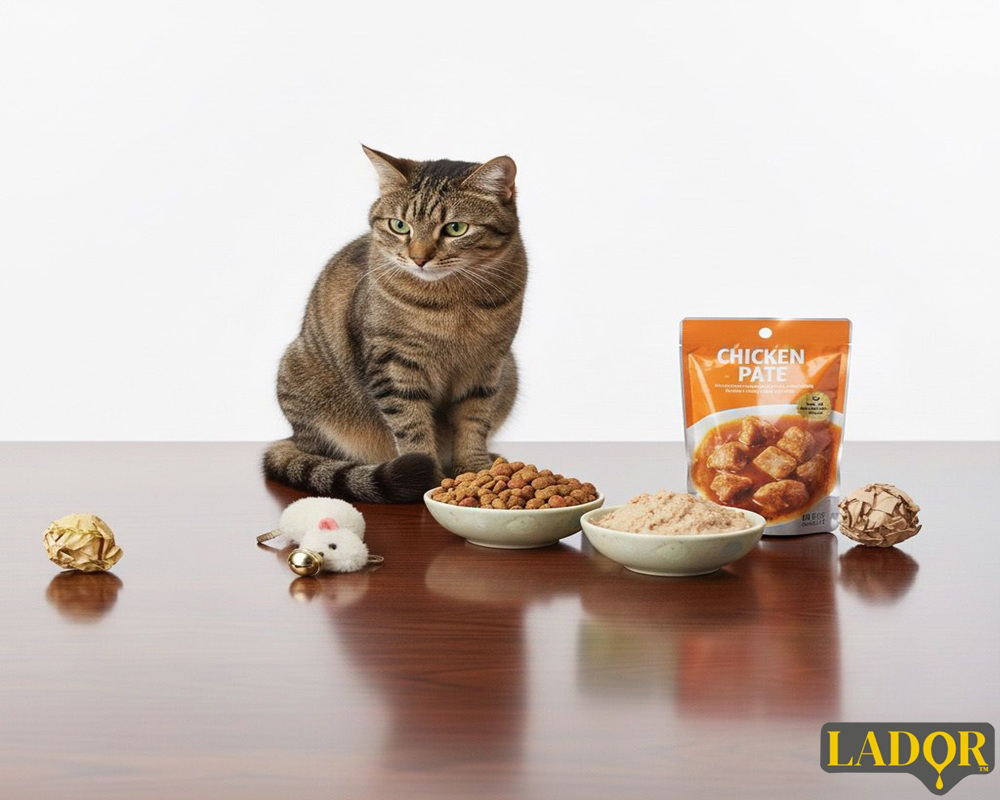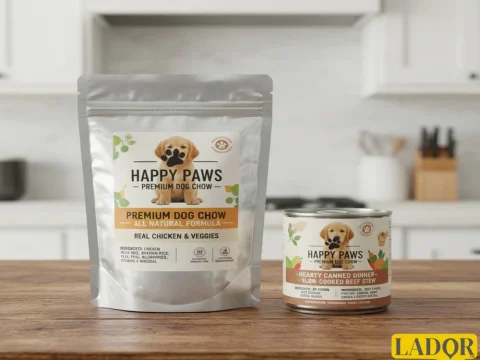

Cat food cans and pouches are essential for keeping this animal at home, as cats need to consume wet food and these two products are wet. In this article from Ladorfat, we intend to provide a complete and comprehensive review of cat canned food and pouches. Stay with us until the end.
Choosing between canned food and pouches for cats is one of the primary concerns for pet owners. Both products fall under the category of Wet Food, but they have subtle differences in texture, packaging, and application, and knowing them helps with your cat’s health and vitality. Below is a comprehensive guide regarding these two types of food.
Many people assume these two are no different, but their key differences include:
Cans are usually offered in metal tins (100 to 400 grams) which have a high shelf life. Pouches are packaged in small (usually 50 to 100 grams) plastic/aluminum single-serve bags.
Canned foods have a high variety of textures (pate, minced, chunks). Pouches usually contain meat chunks in a large amount of sauce or gravy.
Due to their small volume, pouches are always served fresh, while a large can may stay in the refrigerator for 2 to 3 days, and the cat might show no interest in eating it.
Cats instinctively have little desire to drink water. In nature, they obtain the moisture required by their bodies from prey. Wet food (canned and pouches) is essential for the following reasons:
Hydration: Prevention of kidney diseases and bladder stones, which are very common in cats.
High Protein and Low Carbohydrates: Unlike dry food, these foods are closer to a cat’s natural diet (obligate carnivores).
Weight Control: Due to the high water volume, the cat feels full sooner and consumes fewer calories.
Palatability: For picky, elderly, or sick cats, the strong smell of wet food is appetizing.
When buying canned food, you will encounter the following terms:
Completely uniform and mashed; suitable for kittens and elderly cats with dental problems.
Meat chunks submerged in sauce; the most popular type for adult cats.
Meat chunks in gelatinous protein, which is excellent for cats that love to lick their food.

Advantages:
Disadvantages:
Advantages:
Disadvantages:
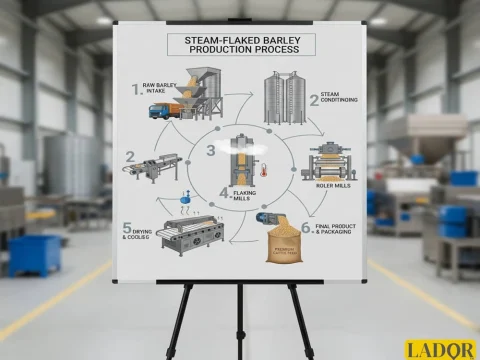
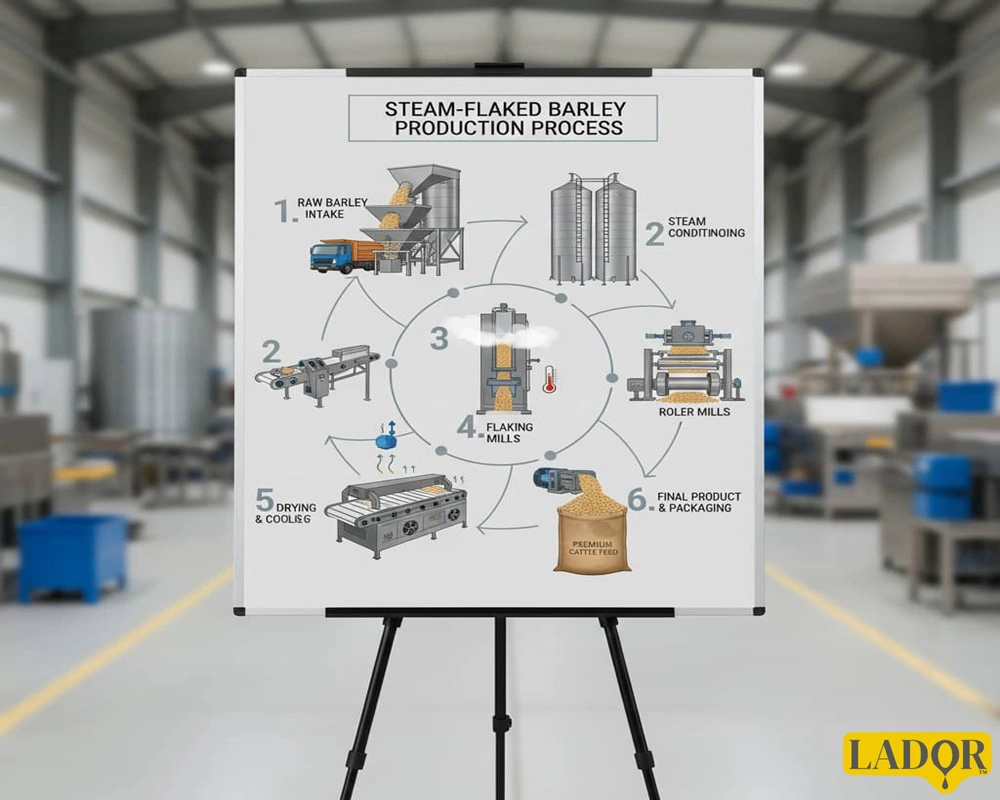
1. Protein Selection and Preparation: The raw ingredients, which usually include chicken, beef, fish, or turkey, are ground and mixed with essential supplements like taurine (a vital amino acid for a cat’s heart and eyes).
2. Adding Thickening Agents: To create a jelly or sauce texture, substances such as vegetable gums (Guar Gum) or special starches are used so that moisture remains alongside the meat.
3. Pressure Cooking: The prepared mixture is poured into the can or pouch and sealed. It is then cooked in a device called a retort (industrial autoclave) under high temperature and pressure. This process results in complete sterilization and the elimination of bacteria without the need for preservatives.
4. Nutrient Balancing: In professional formulations, the calcium-to-phosphorus ratio and the fat content are carefully controlled to prevent the occurrence of kidney stones or obesity in the cat.

Checking Ingredients: The first ingredient listed on the packaging must be real meat (chicken, beef, fish), not “by-products” or “grains.”
Serving Temperature: Cats do not like cold food. If you have kept the can in the refrigerator, allow it to reach room temperature before serving or add a little warm water to it.
Bowl Hygiene: Wet food should not stay out for more than 2 hours, as it spoils quickly and attracts insects.
Combining with Dry Food: To balance costs and dental health, you can provide dry food in the mornings and wet food (can/pouch) at night.
Aala oil Sepahan Factory, under the Lador brand name, is one of the pioneers in the field of producing powders, oils, and raw materials for the preparation of livestock and poultry feed. The Ladorfat complex, as a specialized hub in the inputs industry, operates beyond a mere production unit, acting as a strategic supplier and enricher of the livestock and poultry feed value chain.
The presence of Aala oil Sepahan Factory, managed by Mr. Saeid Alaei, in this market spans from the direct processing of certain products to the supply of raw materials and key additives for producing items such as animal bone oil, Palmitic acid, and soap-making tallow oil. By providing technical knowledge and base materials, this company plays a pivotal role in the optimization and supply of products such as fatty acids, fish oil for livestock and poultry feed, specialized poultry oil, as well as final formulations like chick starter feed, horse feed, and cat and dog food, helping to improve quality and reduce ration costs.
If your cat needs more hydration or is a picky eater, a pouch is a better option due to its abundant sauce and freshness. However, if you are looking for a complete and cost-effective main meal, high-quality canned foods are a smarter choice. Ultimately, the choice between canned food and pouches depends on your budget and your cat’s taste. To inquire about prices and obtain more information, please contact the experts at Ladorfat.