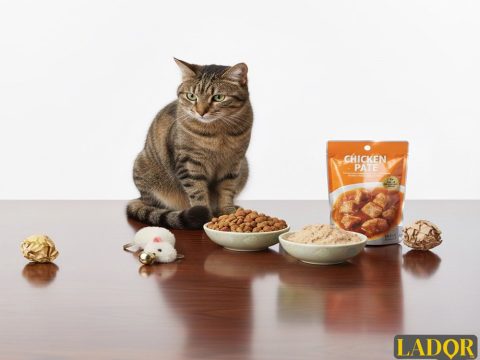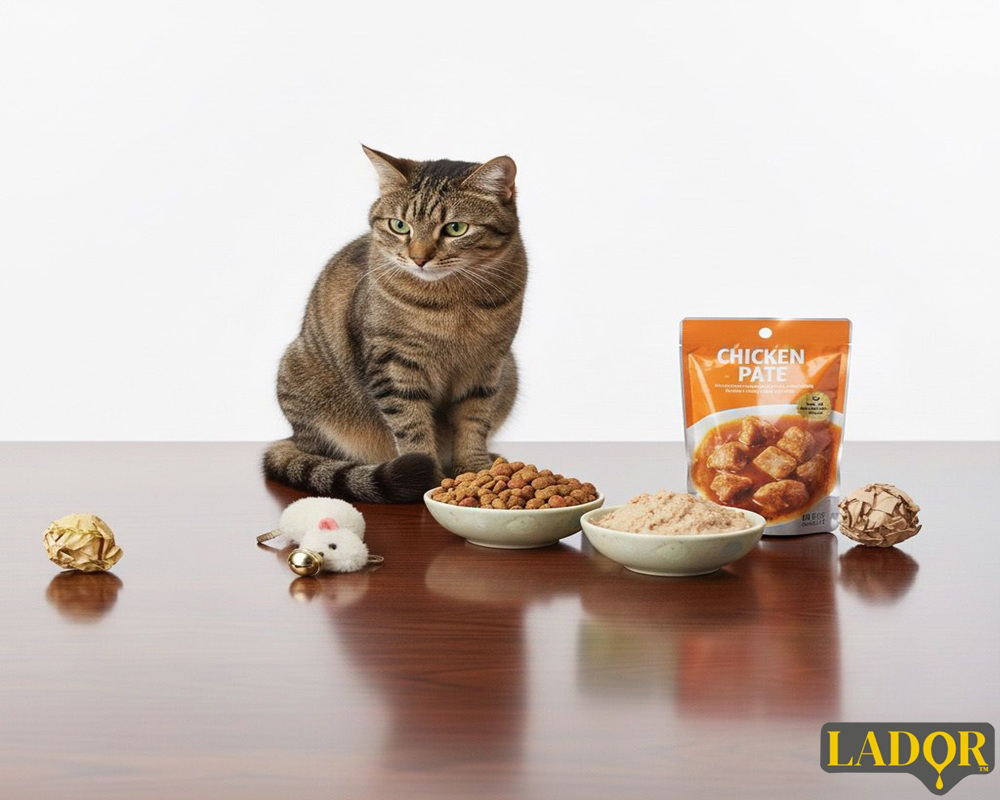
Dog food pouches and canned food, these products encourage even the pickiest dogs to eat. With high-quality proteins and easy digestibility, they are an excellent option for mixing with dry food or serving as a main meal. Using these types of wet foods—especially for dogs who have a low tendency to drink water—significantly helps in preventing kidney and urinary tract problems.
Healthy nutrition is the main pillar of health and longevity in dogs. Alongside dry food, which is usually the base of the diet, wet foods—including cans and pouches—play a vital role in hydrating the body, increasing appetite, and providing high-quality proteins. Understanding the differences, production methods, and consumption rates of these products helps you set the best dietary plan for your most loyal friend.
Many people think dog cans and pouches are the same, but they have important structural differences that we will discuss below.
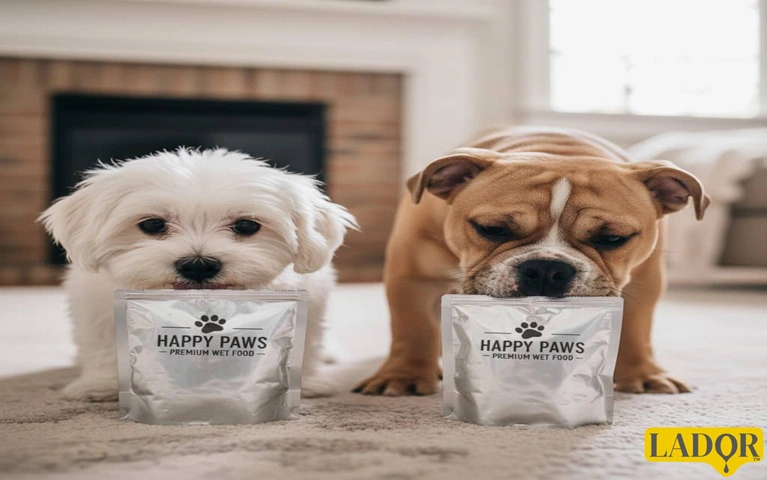
“Pouch” literally means a small bag or cushion. This type of food is offered in single-serving nylon or foil packaging.
Texture: Usually consists of meat chunks immersed in sauce (Gravy) or jelly.
Features: It has a small volume (usually 85 to 100 grams) and is designed for one meal for small dogs or as a topper on dry food for large dogs.
Cans are offered in durable metal containers and have a more cohesive texture than pouches.
Texture: Can be in the form of “Pate” (completely mashed and uniform), “Chunk” (pieces of meat), or “Loaf/Stew” (a mixture of meat and vegetables).
Shelf Life: Due to the type of packaging, they have a long shelf life while sealed and usually contain a higher percentage of pure meat.
Cans are supplied in metal tins (120 to 800 grams), which are suitable for large dogs or use over several meals. Pouches come in small foil packets (usually 100 grams) and are designed for a single meal for small dogs or as a treat.
Cans often have a thicker and more compressed texture (like pate or meat chunks in thick broth). Pouches usually contain meat pieces in a large amount of sauce (Gravy) or jelly, which makes them more delicious and watery.
The moisture level in pouches is usually slightly higher than in cans. For this reason, pouches are a better option for dogs that have severe dehydration problems or find it difficult to drink water.
Due to its large volume, canned food usually needs to be transferred to another container and kept in the refrigerator after opening. However, since a pouch is single-serving, it is consumed immediately and does not have the problem of oxidation or taking on odors in the refrigerator.
Difference in Price and Economic Efficiency Economically, buying large cans is much more cost-effective for dog owners than buying a large number of pouches. Pouches are mostly intended as “reward food” or an “appetizing topper.”
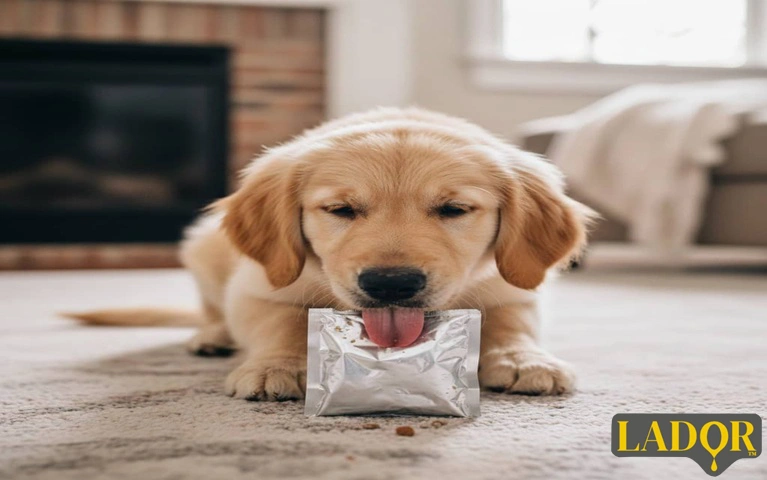
Administering Medication: Hiding a pill inside canned food or a pouch is the easiest way to give medicine to a dog.
Recovery Period: After surgery or illness when a dog has a low appetite, a pouch is the best option for regaining energy.
Treats: You can use them as a delicious snack.
The production of wet dog food is a precise scientific process:
Selection of Raw Materials: Red meat, chicken, fish, liver, and sometimes vegetables and grains.
Formulation: Adding vitamins, minerals, and amino acids (such as taurine) to balance the food.
Cooking and Sterilization: Ingredients are cooked at high temperatures to eliminate bacteria.
Vacuum Packaging: The food is packaged without air to remain healthy without the need for excessive chemical preservatives.
The exact amount of consumption depends on the dog’s weight and the calories listed on the packaging, but the standard pattern based on age is as follows:
Puppies need a great deal of energy and protein due to their rapid growth.
Number of meals: 3 to 4 meals per day.
Amount: Due to their small stomachs, they must consume small volumes of high-quality food. Usually, for a 2 kg puppy, about 200 to 300 grams of wet food per day (divided into meals) is appropriate.
At this age, the goal is to maintain ideal weight and muscle health.
Number of meals: 2 meals per day.
Amount: On average, for every 5 kg of body weight, about 350 to 450 grams of canned food per day is needed. If consumed along with dry food, this amount should be halved.
Older dogs are less active and prone to obesity or kidney problems.
Number of meals: 2 light meals per day.
Amount: The consumption amount decreases by about 10% to 20% compared to adulthood. The focus should be on easily digestible wet foods with controlled phosphorus.
Teeth: Continuous and exclusive consumption of wet food can lead to dental tartar buildup. It is better to use dental sticks or a toothbrush alongside it.
Storage: Once opened, canned food and pouches can be kept in the refrigerator for a maximum of 2 to 3 days. Before serving it to your dog, allow it to reach room temperature (very cold food can cause stomach aches).
Dietary Change: Never change your dog’s food suddenly. Over the course of one week, gradually add the new canned food to the previous food to prevent diarrhea.
Ala oil Sepahan Factory, under the Lador brand name, is one of the pioneers in the production of powders, oils, and raw materials for livestock and poultry feed. As a specialized hub in the inputs industry, the Ladorfat group operates beyond a mere production unit, acting as a strategic supplier and enricher of the livestock and poultry feed value chain.
The presence of Ladorfat, managed by Mr. Saeed Alaei, in this market extends from the direct processing of certain products to the supply of raw materials and key additives for the production of products such as fattening livestock and dairy cow feed, dog food, and cat food. By providing technical knowledge and base materials, this company plays a pivotal role in the optimization and supply of products such as barley flakes , beet pulp, barley malt pulp, and final formulations like ready-made livestock feed—available online, wholesale, and retail—thereby enhancing quality and reducing ration costs.
Canned food and pouches are not merely “luxury foods,” but rather tools for enhancing the health and quality of life of your dog. Pouches are excellent for small dogs and snacks, while cans are used to provide energy and protein for larger dogs or as main meals. By intelligently combining dry and wet food, you can create an ideal balance in your pet’s nutrition. For price inquiries and more information, contact Ladorfat experts.