Poultry oil in quebec raising, as it is an essential source of high energy, essential fatty acids, and fat-soluble vitamins for birds, including partridges. We intend to cover this topic in detail, so stay with us until the end.
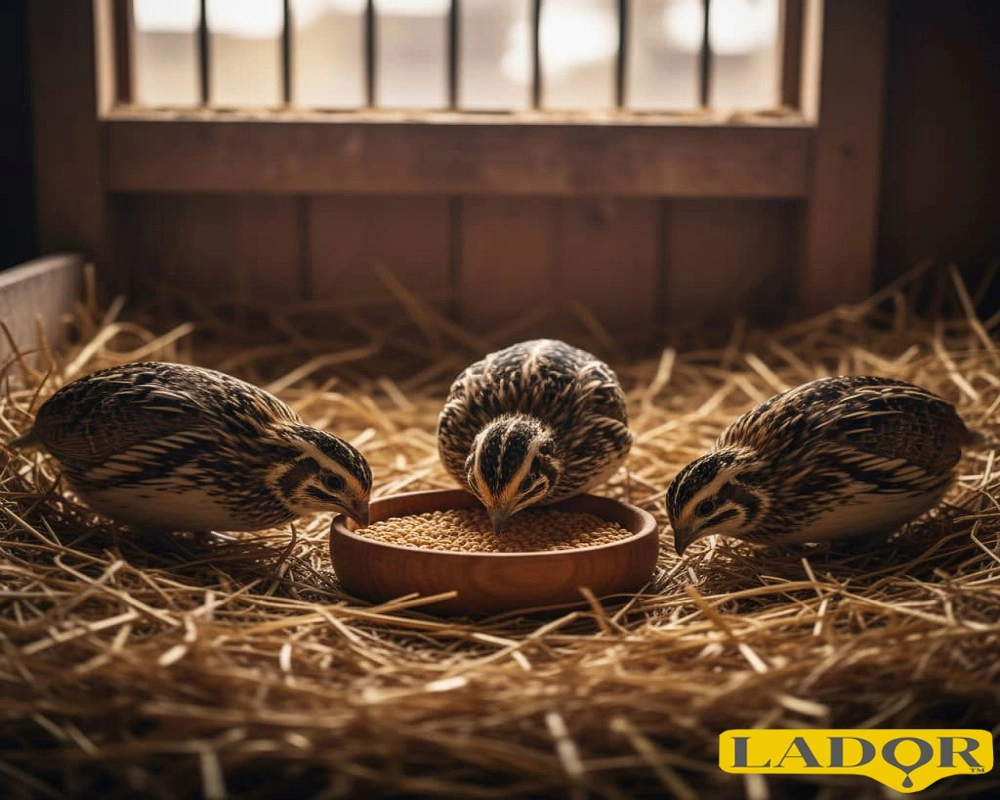
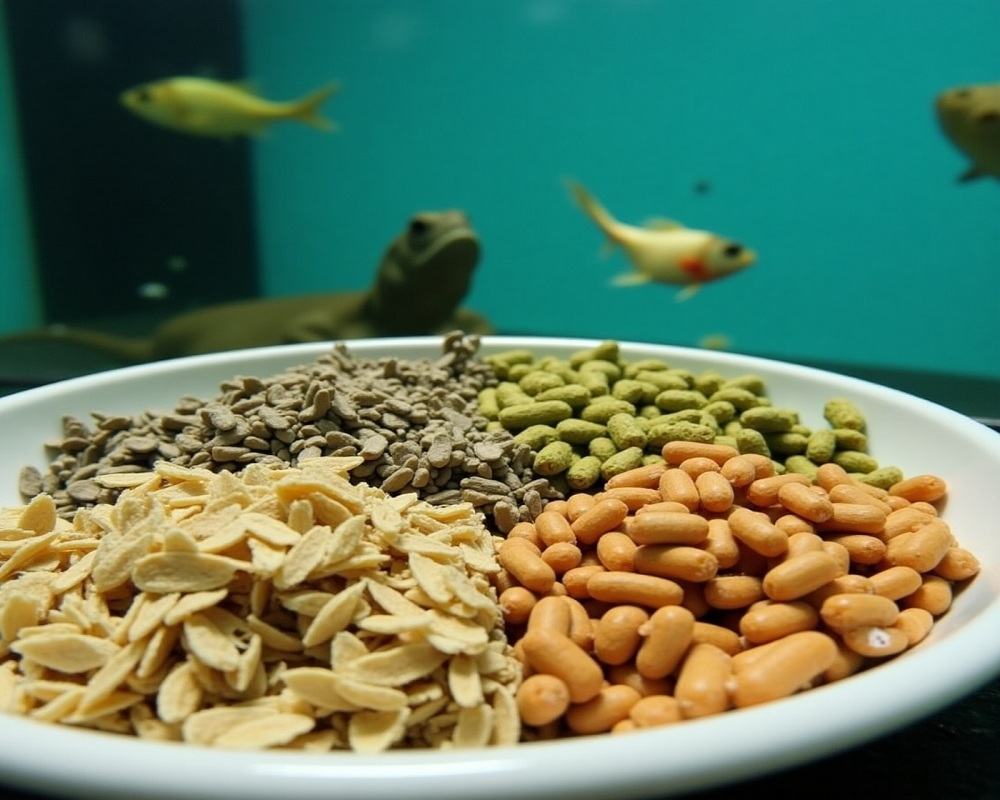
It is true that the diet provided to partridges does not differ significantly from that of other birds. However, it is interesting to know that the feed you provide must contain sufficient amounts of protein, salts and minerals, various vitamins, carbohydrates, calcium, energizing fibers, phosphorus, and more, to meet their bodily requirements at different ages.
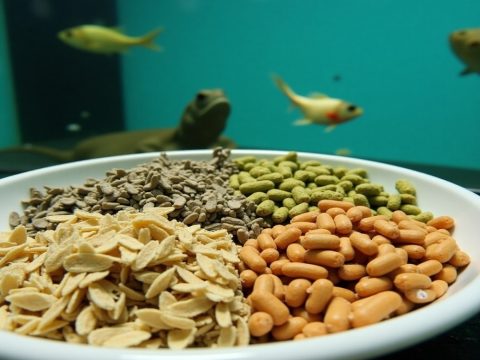
In nature, according to their eating habits, partridges feed on various leaves, seeds, fruits, and different invertebrates like insects and locusts. However, in an industrial system, their feeding method is different. Formulated concentrate feeds, including corn, soybean meal, and so on, are the most suitable factors for their nutrition.
This feed must be aligned with the goal you have set for partridge farming. The diet for a broiler, breeder, and layer partridge differs and must be provided according to their nutritional needs.
The feed consumption rate for a breeder partridge during the rearing period is approximately 30 grams per day. For every 7 kilograms of feed consumed, one can expect to produce one kilogram of meat. This means a meat partridge/quail ready for slaughter at a weight of half a kilogram has consumed approximately 3.5 kilograms of feed throughout the fattening period.
Note that without an accurate understanding of the partridge’s nutritional needs, farming costs may not be reasonably managed. Therefore, be sure to pay attention to the following points.
Variable Quality: Poultry oil (which is typically derived from collected poultry fats) can have highly varying quality. Low-quality or unrefined oil may contain impurities, antibiotics, or oxidized substances.
Reduced Digestibility: If the oil is of low quality or improperly processed, its digestibility and absorption in the partridge’s digestive system (especially at young ages) are reduced, preventing the bird from fully utilizing its energy.
Oxidation (Rancidity): Fats and oils (especially if they contain many unsaturated fatty acids) are highly susceptible to oxidation. This process causes rancidity and reduces the nutritional value of the feed, and can create harmful compounds for the partridge’s health.
Need for Antioxidants: To prevent oxidation, strong antioxidants must be used in the oil, which itself incurs an additional cost. Failure to use them or a shortage can affect the entire diet.
Increased Abdominal Fat: Excessive or imbalanced use of oils and fats in the diet, especially for partridges raised for meat production, can lead to increased fat deposition in the abdominal cavity (abdominal fat pad).
Reduced Economic Profit: This extra fat reduces feed efficiency and is also undesirable for the consumer and the butcher, thus lowering the carcass value.
Feed Stickiness: Adding oil to the diet can cause the feed to become sticky, creating problems in feed production processes such as pelleting and grinding. This stickiness may also cause blockages in feeders or during transportation.

Providing sufficient water plays a very important role in the lives of partridges, as about 65% to 70% of their body is composed of water. The tolerance of partridges to hunger is not comparable to their tolerance to thirst. If a partridge does not receive water for less than a few hours, it can lead to its demise. If you pay attention to their eating habits, you will notice that partridges constantly drink water while eating, as this:
When sufficient energy is present in the food sources, it can boost their body’s metabolism. With increased body energy, the partridges become more lively. This is provided that this energy is supplied in their diet from dietary sugars, amino acids, and fats present in the partridge’s diet, according to the determined factors. This positive effect leads to the following outcomes:
But as long as the amount of energy in the food sources of the quails does not have any moderation, the following occurs:
Potassium, sodium, phosphorus, chlorine, magnesium, and calcium are the most important sources of minerals that play a crucial role in the growth of partridges. With a mineral deficiency:
It affects bone formation and the formation of the egg shell in the breeder flock, as laying hens require more calcium for eggshell formation.
Protein deficiency in the partridge’s body causes their body to suffer from disorders and poisoning with the absorption of various food types.
Partridge’s Required Vitamins
The partridge is a bird whose body’s resistance against various microbial and viral diseases is greater compared to other birds. However, several appropriate and varied supplements must be used. If the partridge’s body does not receive enough vitamins, their health will be compromised against many diseases. This is because the partridge’s defensive metabolism is weakened due to vitamin deficiency, and its resistance will be lower. Additionally:
Their feathers do not grow sufficiently and will have less volume.
Their growth and maturation are delayed.
They suffer from weakness and anemia.
Do not forget that vitamin synthesis must be strengthened in the birds’ bodies, so try to include appropriate vitamins in their diet. By doing this, their body’s defensive metabolism for vitamin absorption is strengthened. To compensate for this, dear breeders, it is recommended that you dissolve the vitamins in some water and pour it into their drinkers. For better results, allow the partridges to remain thirsty for 1 to 2 hours. Mixing various vitamins with the ration they consume is also a suitable idea. You can combine them with the partridge feed and provide it to them to compensate for the deficiency of various vitamins in their body.
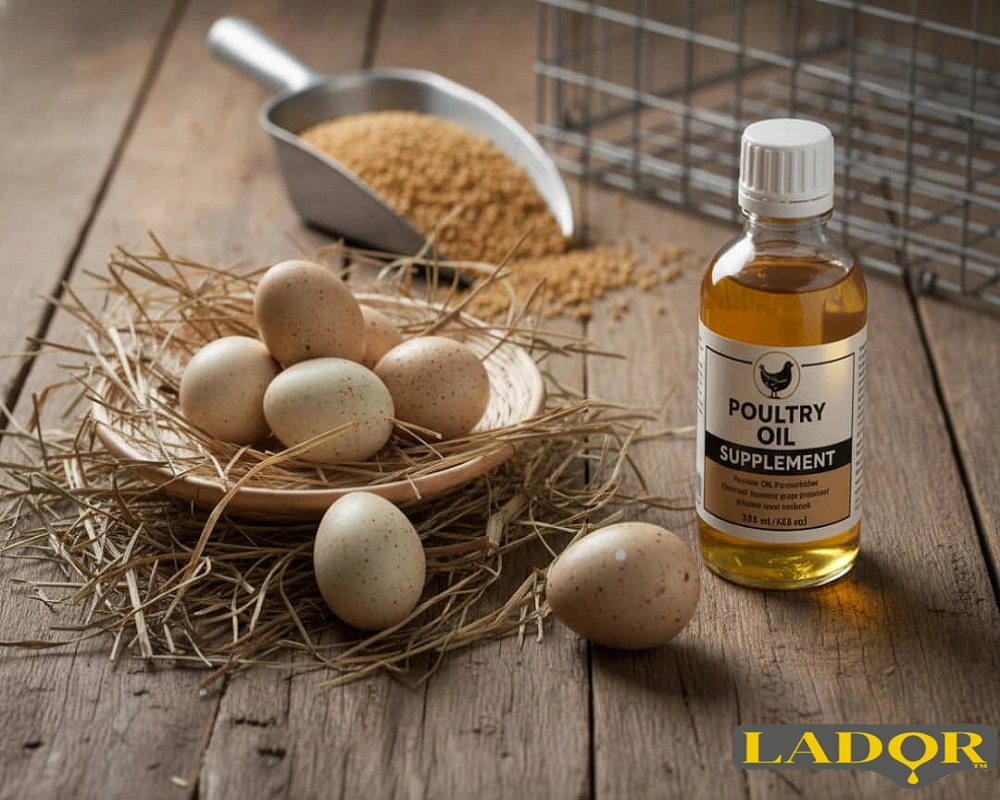
Crude poultry fat is primarily composed of triglycerides (approximately 98%), making it a rich source of essential fatty acids, particularly linoleic acid (Omega-6) and oleic acid (a monounsaturated fatty acid). The presence of these fatty acids is crucial for the general health, reproductive performance, and meat quality of the partridge. Furthermore, poultry fat also contains fat-soluble vitamins such as A, D, E, and K, which are vital for many physiological processes in the bird’s body. The low melting point of this fat aids in its better digestion and absorption in the bird’s digestive tract.
Ala oil Sepahan Factory, operating under the Lador brand, is a top producer with years of experience in manufacturing various types of poultry and livestock fats, industrial powders, fatty acids, and even raw materials and additives for the production of animal and poultry feed. Among the products of this company are hydrogenated chicken fat, pure soybean oil, hydrogenated soybean oil, and countless other products.
Poultry fat is a rich and high-quality energy source that can play a significant role in improving the productive performance and health of partridges. This ingredient can lead to increased growth, improved feed conversion ratio, enhanced meat quality, supply of essential fatty acids, and improved absorption of fat-soluble vitamins. With proper management, poultry fat can be an effective tool for the successful and economic farming of partridges. For more information, please contact our experts at Ladorfad.